Shop Kind's Mission

Empowering Ethical Meat Choices
ShopKind helps people make better, more humane and sustainable, everyday food decisions by clarifying what meat labels mean.
Many labels sound meaningful but are not clearly regulated. This site breaks them down in a simple way.
Understanding labels is also part of a bigger picture—where food comes from, how animals are raised, and how transparency connects to both animal welfare and food sustainability.
Verified Standards

American Grass Fed
- 100% grass fed
- Raised on pasture
- No Antibiotics or hormones
- Family farm origin
Food alliance certified:
- Humane treatment standards
- Disease prevention and animal health
- Safe working conditions
- Independent certification process
Certified Humane Raised and Handled:
- Freedom from Confinement
- Access to nourishing food
- Encouragement of natural instincts and behaviors
- Care from trained and compassionate handlers
- Compassionate end of life practices
- Compliance transparency
Marine Stewardship Council:
- Prevents overfishing
- Protects ocean habitats
- Requires legal fishing practices
Animal Welfare Approved:
Animals raised entirely on pasture
- No confinement systems
- Humane transportation rules
- On-site farm inspections
- Annual re-evaluations
In the Middle
Global Animal Partnership:
- Tiered system (Levels 1 to 5+)
- Higher tiers mean better welfare
- Lower tiers allow confinement and physical alterations
USDA organic:
- No antibiotics or synthetic hormones
- Focuses mainly on feed and chemicals
- Limited rules on housing and space
Minimal Requirements

USDA process verified:
- Verifies company claims
- Does not require humane standards
- Focuses on product consistency

Responsibly ASC certified:
- Claims responsible seafood farming
- Reports of weak oversight
- Allegations of improper antibiotic use and transfers

American humane certified:
- Public reports of welfare violations
- Concerns about enforcement
- Past investigations raised serious questions
Top Picks
Eggs
Look for: Pasture-raised + Certified Humane or Animal Welfare Approved
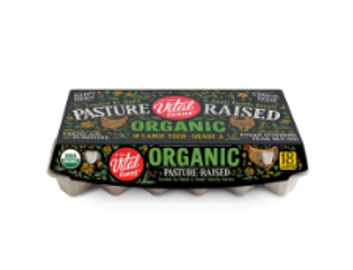
ShopKind Pick: Vital Farms
Pasture-raised eggs typically mean hens have real outdoor access and space to behave naturally.
Fish
Look for: Wild-caught or responsibly farmed
ShopKind Pick: Wild Alaskan salmon
Wild-caught or well-managed farms tend to have better environmental practices and more responsible sourcing.
Chicken
Look for: Pasture-raised or Certified Humane
ShopKind Pick: Mary’s Chicken
Pasture-raised and certified options allow for more space, slower growth, and better overall living conditions. “Free-range” alone often doesn’t mean much.
Top Picks
Beef
Look for: 100% grass-fed and finished
ShopKind Pick: American Grassfed Association certified brands
Grass-fed beef avoids feedlots and supports natural grazing, which is generally better for animal welfare and the environment.
Pork
Look for: Pasture-raised or Certified Humane
ShopKind Pick: Niman Ranch
Pigs are highly intelligent and benefit from space, enrichment, and the ability to root and move naturally.
Top Restaurants to Know
Campesino Café, San Juan Capistrano
Connected to a working farm at The Ecology Center.
Farmhouse at Roger’s Gardens, Corona del Mar
Seasonal, farm-to-table approach.
Harvest at The Ranch Laguna Beach, Laguna Beach
Uses ingredients from its on-site farm.
Top Restaurants to Know
Nirvana by Chef Lindsay, Laguna Beach
Uses free-range and antibiotic-free meats.
Jan’s Health Bar
Fresh, simple food with a focus on quality ingredients from local farms.
CAVA
A larger chain that shares some sourcing standards, including antibiotic-free chicken
Top Butcher Shops and Meat Sources
Section Fine Meats, Costa Mesa
Known for higher-quality sourcing and knowledge of suppliers.
OC Grass Fed
Grass-fed and grass-finished beef.
5 Bar Beef
Pasture-raised, grass-fed beef.